
Card counting. The mere mention conjures images of cunning strategists, whispering behind cupped hands, subtly shifting the odds in their favor. Hollywood has painted a glamorous picture, fueling the fantasy of turning the tables on the casinos. But what about online blackjack? Can the time-tested technique of card counting truly translate to the digital realm, or is it just a myth perpetuated by hopeful gamblers? This exploration aims to cut through the noise, offering an expert analysis of whether card counting is a viable winning strategy in online blackjack. Forget the silver screen illusions; the truth is more nuanced. This article will debunk the myths, reveal the challenges, and provide a realistic perspective on the feasibility of card counting in today’s online casino landscape.
Card Counting Unveiled: Core Principles
Origins in Live Casinos
The allure of outsmarting the house in blackjack has captivated gamblers for decades. Attempts to gain an edge, including card counting and other methods, have been around nearly as long as the game itself. While many believe card counting involves memorizing every card played, the reality is far less daunting, yet still challenging to master.
Card Counting Basics
Card counting is a strategic technique used to estimate the ratio of high cards (10s, face cards, Aces) to low cards (2-6) remaining in the deck. This isn’t about having a perfect memory. Instead, it’s all about assigning values to cards and tracking a basic running total. The most popular system, Hi-Lo, assigns a value of +1 to low cards (2-6), -1 to high cards (10, J, Q, K, A), and 0 to cards 7-9. As cards are dealt, a player adds or subtracts these values to maintain a running count.
This running count offers some insight, but it needs refinement to account for the number of decks in play. This is where the “true count” comes in. The true count is the running count divided by the estimated number of decks remaining. A high true count suggests a greater proportion of high cards left, favoring the player. A skilled card counter uses this information to adjust their bets, increasing them when the odds are in their favor and decreasing them when the house has the edge. This requires discipline, focus, and the ability to remain inconspicuous, as casinos frown upon card counting and may ask suspected counters to leave.
The Online Blackjack Landscape: RNG vs. Live Dealer
The world of online blackjack offers two distinct experiences: RNG-based blackjack and live dealer blackjack. Understanding the difference is crucial, especially if one is considering strategies like card counting. These aren’t just different interfaces; they represent fundamentally different game mechanics.
RNG blackjack is a fully automated, virtual version of the game. It relies on a random number generator (RNG) to determine the outcome of each hand. Live dealer blackjack, on the other hand, brings the feel of a real casino to one’s screen. It’s streamed in real-time with a human dealer and physical cards.
Understanding Random Number Generators
In RNG blackjack, the backbone of the game is the random number generator (RNG). This technology is a sophisticated algorithm designed to produce a sequence of numbers that appear statistically random. For each hand in virtual blackjack, the RNG shuffles the deck, ensuring that every card dealt is entirely independent of the previous one. This system guarantees fairness and unpredictability in the outcome of the game every time one plays online casino games.
RNG Blackjack: An Impenetrable Fortress?
RNG (Random Number Generator) blackjack presents a formidable challenge for players accustomed to traditional card counting techniques. In a brick-and-mortar casino, card counting relies on tracking the ratio of high to low cards remaining in the deck. This allows players to adjust their bets and playing decisions as the deck composition changes, theoretically gaining an edge over the house. However, RNG blackjack fundamentally alters this dynamic. Each hand is generated independently, simulating a fresh shuffle before every deal. This constant shuffling negates any possibility of tracking card frequencies or predicting future outcomes based on past hands. The game simply doesn’t “remember” which cards have been dealt. Therefore, card counting, the cornerstone of many blackjack strategies, becomes utterly ineffective against the unyielding randomness of the RNG algorithm. Forget about trying to beat the system with these old-school tactics; the digital dealer operates under entirely different rules.
Explain other strategies that might trick the Machine
While traditional card counting is useless, players often explore alternative strategies to gain an advantage in RNG blackjack. Some strategies involve carefully observing patterns in the game’s interface or attempting to predict the RNG’s sequence. However, these are rarely fruitful. Reputable online casinos employ sophisticated and rigorously tested RNGs designed to prevent any predictable patterns from emerging. Casino strategies won’t reliably trick the machine. While the allure of beating the system is strong, it’s crucial to recognize the limitations of any strategy attempting to exploit the seemingly random nature of online blackjack.
Live Dealer Blackjack: A Glimmer of Hope?
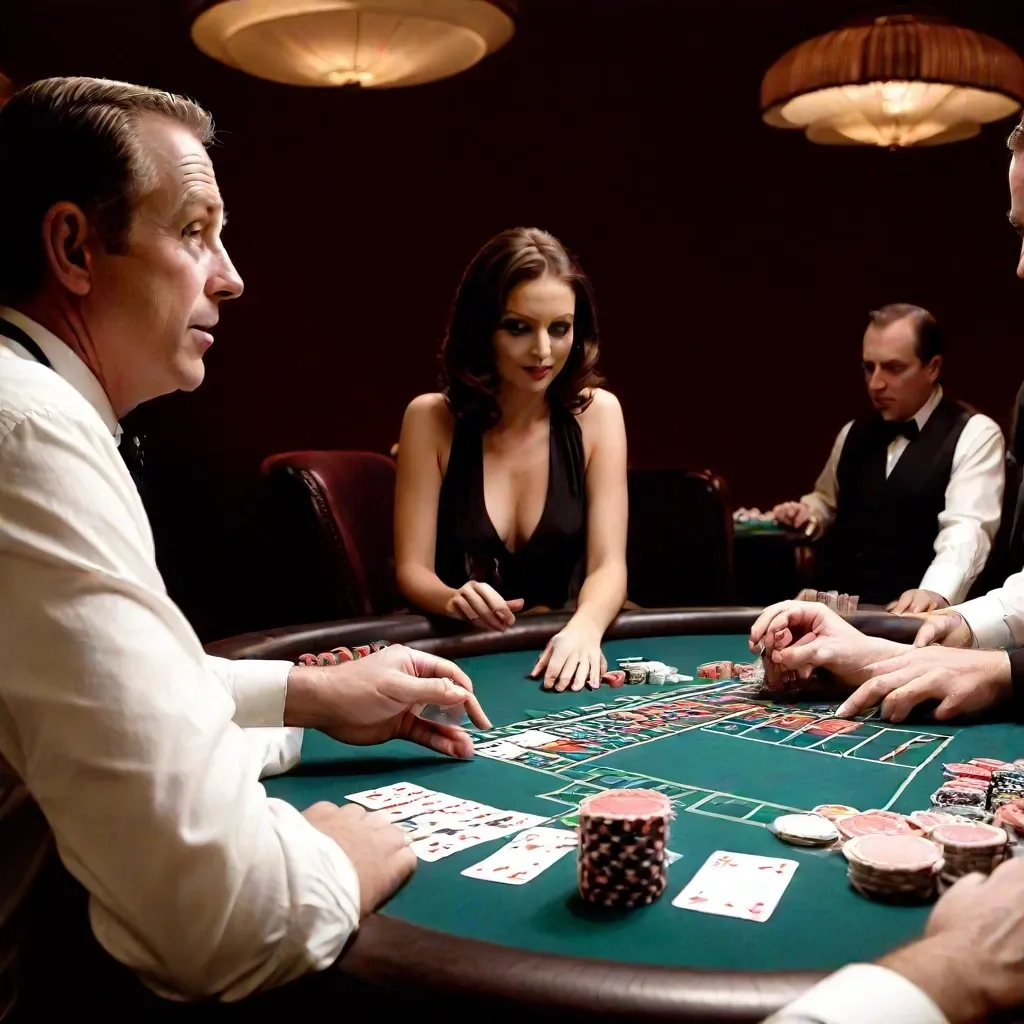
Live dealer blackjack offers the tantalizing illusion of a more beatable game. Unlike their purely digital counterparts, these games use real cards, dealt by a real person, streamed directly to your screen. This immediately raises the question: can you dust off your card counting skills and turn the tables on the house?
While the presence of physical cardsseems* to open a window of opportunity, the reality is far more complex. Online casinos are well aware of card counting, and they’ve implemented several countermeasures to minimize its effectiveness in live dealer games. One of the most significant is the frequent shuffling of the deck. Many live dealer blackjack games shuffle when the “penetration rate” (the percentage of cards dealt before the shuffle) reaches only 50-70%. This severely limits the amount of information a card counter can gather, making it difficult to gain a significant advantage. The use of multiple decks further dilutes the impact of card counting, as does the often rapid pace of the game, which can make accurate counting challenging.
How to exploit the system (if possible)
Beating live dealer blackjack through card counting, even with the hurdles, isn’t entirely impossible, but it requires dedication and a keen understanding of the numbers. Start by finding games with the deepest penetration rates possible. Even a slightly higher penetration rate can significantly improve your odds. Employ a counting system, like the Hi-Lo, and meticulously track the running count, converting it to a true count as the game progresses. When the true count becomes sufficiently positive, indicating a higher concentration of high-value cards remaining, increase your bets. However, remember that even with perfect counting, the edge is slim, and variance can still lead to losses in the short term. It will be like a slow and difficult math operation against a casino.
Casino Countermeasures: Surveillance and Technology
Online casinos employ a range of sophisticated surveillance techniques to detect and deter card counters. This goes far beyond simply watching players; it involves a multifaceted approach that combines human observation with advanced AI technology. The goal is to identify any behavior that deviates from the norm and suggests a player is gaining an unfair advantage.
Casinos actively monitor player behavior for signs of card counting. They analyze metrics like betting spread, session time, and game choices. Any significant deviation from typical player behavior can trigger suspicion and lead to further investigation. If a player is suspected of card counting, the casino may take action, including limiting their bets or even banning them from the platform. Casinos use sophisticated algorithms and visual pattern recognition to flag suspicious activity, enhancing their ability to catch card counters.
Betting spread
A key indicator casinos look for is the betting spread. A normal player might vary their bets somewhat randomly, perhaps increasing them slightly after a win or decreasing them after a loss. A card counter, on the other hand, will typically employ a much wider betting spread. This means they will bet the minimum amount when the count is unfavorable and dramatically increase their bets when the count becomes favorable. This stark contrast in betting behavior is a major red flag for casinos, indicating the potential use of card counting techniques.
The Future of Card Counting: AI and Machine Learning
The world of online blackjack is constantly evolving, and with it, the strategies players employ. The future points towards advanced tactics powered by artificial intelligence and machine learning. Imagine AI blackjack strategies offering unparalleled accuracy, using predictive algorithms to analyze the game in real-time and suggest optimal moves. Machine learning gambling could shift from simple probability to personalized play styles based on your historical patterns. However, online casino technology isn’t standing still. Casinos are actively developing AI-powered systems to detect and counter card counting, leading to an ongoing “arms race” where players and casinos are perpetually trying to outsmart each other.
AI vs AI
The future of casino games might resemble an AI war. Players could use AI to count cards with incredible precision, instantaneously calculating probabilities and suggesting bets. On the other side, casinos will deploy sophisticated casino algorithms designed to identify and flag players exhibiting card-counting behavior, even if they’re using AI. This cat-and-mouse game represents the blackjack future, creating a dynamic where only the most advanced and adaptable AI systems will prevail. The future gambling is not only about luck, it’s about who has better AI.
Ethical and Legal Considerations
Card counting legality exists in a gray area. In most jurisdictions, card counting itself isn’t strictly illegal. Instead, casinos operate on the principle of private property rights. They have the right to refuse service to anyone they deem to be gaining an unfair advantage. Think of it like this: you’re not breaking the law by being good at math, but the casino can still ask you to leave if they don’t like how you’re using it.
The ethical gambling implications are also worth considering. While some view card counting as a clever strategy, others see it as an attempt to ‘beat’ the system. Ultimately, the decision of whether or not to engage in card counting is a personal one. However, it’s crucial to gamble responsibly and be aware of the potential consequences.
Best practices to avoid bans.
Want to try your luck at card counting, but not keen on getting the boot? Avoiding detection is key. Casinos are experts at spotting visual tells. They look for betting patterns that deviate significantly from the norm. Varying your bet sizes erratically, even when the count is in your favor, can help mask your strategy. Another tell is time spent at the table. A player who sits for hours grinding out small profits might raise suspicion. Limiting your sessions and moving between tables can reduce your visibility. Finally, avoid acting like you know what you are doing. Be natural. Don’t celebrate big wins or get visibly frustrated by losses. Maintaining a calm and casual demeanor can help you blend in with the average player and outsmart the casinos , extending your playing time, improve your odds, and beat the casinos.
Conclusion: Reality Check and Expert Advice
In summary, while the allure of beating the house at online blackjack through card counting is strong, the reality is significantly more complex. The technological safeguards in place, coupled with the vigilance of live dealer casinos, create an environment where successful card counting is exceptionally challenging. Anyone considering this approach should be fully aware of the obstacles and the potential consequences of detection.
It’s crucial to approach online blackjack, and all forms of gambling, with realistic expectations and a commitment to responsible gaming. Understand the risks involved, set limits for yourself, and never gamble with money you can’t afford to lose. Remember, gambling should be a form of entertainment, not a means of income.
Final Thought
As someone who’s spent years observing the world of gambling, I can tell you that the real edge comes not from trying to game the system, but from understanding the game itself, managing your bankroll wisely, and enjoying the experience responsibly. Blackjack can be exciting, but it’s essential to keep your head in the game and gamble smart.